Skip links

Expert Mohs surgery in Harrogate and Huddersfield

Gold standard treatment
of SKIN CANCERS

Private, CQC-regulated Mohs micrographic surgery with the highest cure rate for basal cell and squamous cell carcinomas. Launching soon with under 2 weeks wait time.

☑ CQC Regulated | ☑ 99% Cure Rate | ☑ Same-Day Results
Same day discharge

Home the same day

Multiple locations

Harrogate + North Anston + Huddersfield

Mohs micrographic surgery in Harrogate

✦ For people in a hurry
CQC-regulated clinic

CQC-regulated clinic

Fully registered with the Care Quality Commission for safety, effectiveness and patient care.

GMC-registered surgeon

GMC-registered surgeon

All procedures performed by a consultant plastic surgeon on the GMC specialist register.

On-site Mohs laboratory

On-site Mohs laboratory

High-tech lab on the premises for real-time tissue processing and margin checks.

Multidisciplinary team

Multidisciplinary team

Specialist histopathologists and reconstructive experts work together on every case.

Dedicated recovery areas

Dedicated recovery areas

Private lounge where you wait comfortably between surgical stages.

✦ Decision criteria

Why choose Mohs micrographic surgery

Mohs surgery is recognized as the gold standard for treating high-risk skin cancers, particularly on the face, nose, ears, and lips. Unlike traditional surgery, which only samples a small percentage of edges, Mohs allows the surgeon to examine 100% of the surgical margins under a microscope during the procedure.

  • 99% Cure Rate: Offers the highest success rate for primary basal cell carcinomas.
  • Maximum Tissue Conservation: Preserves as much healthy skin as possible, leading to the smallest possible surgical scar and superior cosmetic results.
  • Same-Day Results: Your cancer is removed and the area reconstructed in a single visit, eliminating the anxiety of waiting weeks for external pathology results.
✦ Decision criteria

How Mohs surgery compares to standard excision

Standard excision
  • Margins sampled at random sections
  • Results take days or weeks from external pathology
  • Up to 95% cure rate
  • More healthy tissue removed as a safety margin
  • Return surgery may be needed if margins unclear
Mohs surgery
  • 100% of margins examined under microscope
  • Results confirmed same day in on-site lab
  • 99% cure rate for primary BCC
  • Maximum healthy tissue preserved, smallest possible scar
  • Cancer tracked to exact edges in real time

Skip the waitlist. Secure your Mohs surgery consultation today.

☑ CQC Regulated | ☑ 99% Cure Rate | ☑ Same-Day Results
✦ The Mohs cycle
How each stage works
The surgery follows a precise cycle. Each layer is removed, examined and mapped before the surgeon decides whether further tissue needs to come out.
1
Remove tissue layer
The surgeon removes the visible cancer, then takes a thin margin of tissue at a 45-degree angle. Etch marks placed at clock positions create a precise Mohs map for orientation.
2
Freeze, section and stain
The tissue goes to the on-site lab, where it is frozen in a cryostat microtome, cut into thin horizontal sections, mounted on glass slides and stained with H&E or Toluidine Blue.
3
Examine 100% of margins
The surgeon checks every edge of the tissue under a microscope. If any cancer cells remain, their exact position is marked on the Mohs map.
4
Clear margins or repeat
If cancer is still present, only that specific area is removed in the next round. The cycle repeats until no cancer cells are found at any margin.
Each cycle takes 45 to 60 minutes. Most cases are cleared in approximately 1.7 stages.
100%
Margins checked
99%
Cure rate
~1.7
Avg. stages
✦ How Mohs works

Understanding the Mohs surgery process

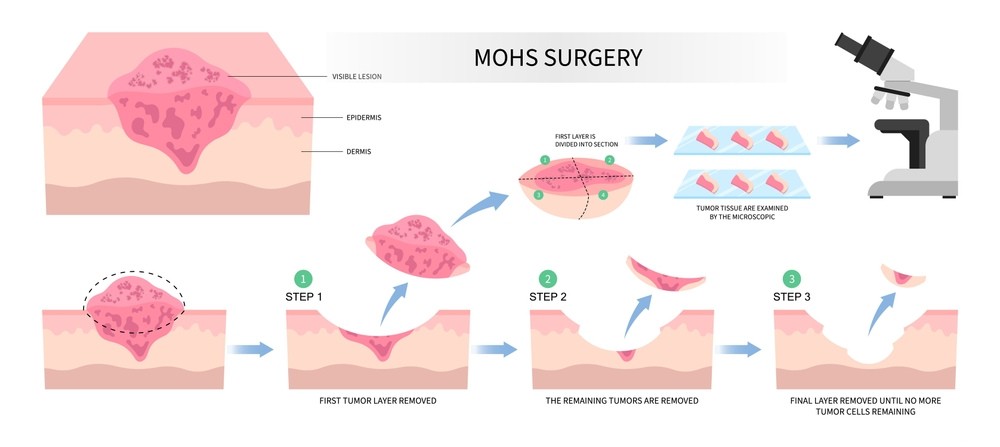
Mohs micrographic surgery works through a precise, repeating cycle. The surgeon removes a thin layer of tissue, checks it under a microscope, and only takes more if cancer cells are still present. This means healthy skin is spared and the tumour is tracked to its exact edges.

The surgical steps

The surgeon begins by removing the visible part of the cancer. Before taking a deeper layer, small etch marks are placed on the skin at positions like 12, 3, 6 and 9 o’clock. These correspond to a “Mohs map” and coloured dyes on the tissue so every piece can be traced back to its exact location on the body. A thin margin of tissue is then removed at a 45-degree angle around and beneath the tumour site.

What happens in the laboratory

While you wait in a private recovery area, the tissue goes to our on-site lab. It is frozen in a cryostat microtome and cut into extremely thin horizontal sections. These are mounted on glass slides and stained with Hematoxylin and Eosin or Toluidine Blue so cancer cells become visible under a microscope. The surgeon examines 100% of the margin. If any cancer remains, its exact position is marked on the Mohs map.

The iterative cycle

If cancer is found at any point on the margin, the surgeon goes back and removes another thin layer from that specific area only. Each round of surgery and lab work takes around 45 to 60 minutes. The cycle repeats until no cancer cells remain. Most cases are cleared in roughly 1.7 stages.

Reconstruction

Once the margins are completely clear, the surgeon repairs the wound. The method depends on the site and size of the defect:

  • Primary closure — the wound is closed directly with stitches
  • Skin flaps or grafts — nearby skin or skin from another area is used, often needed for the nose, ears or eyelids
  • Second intention healing — the wound heals naturally without further surgery, suitable for certain anatomical sites
✦ Our process

What is involved in Mohs micrographic surgery?

Mohs surgery at Kliniken Harrogate is performed as a day-case procedure under local anaesthetic.
The surgery works in stages, with each layer of tissue checked under a microscope before deciding whether further removal is needed.

Our Mohs service meets BAD and BSDS standards accredited by NICE and is classified as Level 5 Care.

Initial consultation

Your surgeon carries out a full clinical assessment of the lesion and discusses a tailored treatment plan with you. Consultation fees range from £215 to £325.

The procedure

The surgery is performed under local anaesthetic. You stay awake and comfortable throughout each stage of removal.

Real-time margin check

The removed tissue goes to our on-site lab while you wait in a private lounge. If cancer cells remain at any margin, the surgeon removes another thin layer from that specific area straight away.

Reconstruction

Once the margins are completely clear, the surgeon repairs the wound. The method depends on the size and location of the defect, with the goal of achieving the most natural-looking result possible.

✦ Why patients choose Mohs

Key facts at a glance

0% Cure rate for primary BCC
0% Of surgical margins examined
0.0 Average stages to clear
45-60 Minutes per stage
✦ Transparent pricing model

What is the cost of
Mohs surgery in Harrogate?

The cost of Mohs surgery depends on the size and location of the lesion, the number of stages required and the complexity of reconstruction afterwards. Your surgeon will assess the area at your consultation and give you a clear breakdown of what the procedure will cost before you commit to anything.

At Kliniken in Harrogate, we are open and honest about our prices. By the end of your consultation you will have a clear understanding of what you will need to pay.

ProcedurePricing
Consultation with a Consultant Plastic Surgeon£215 – £325
Mohs surgeryFrom £7,000
Histology (Laboratory Testing)£150
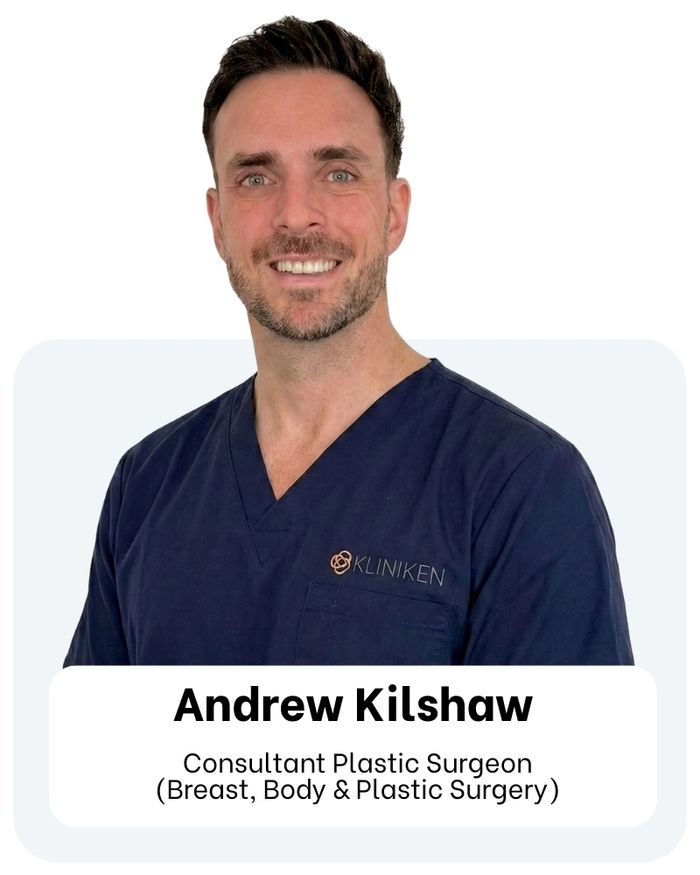
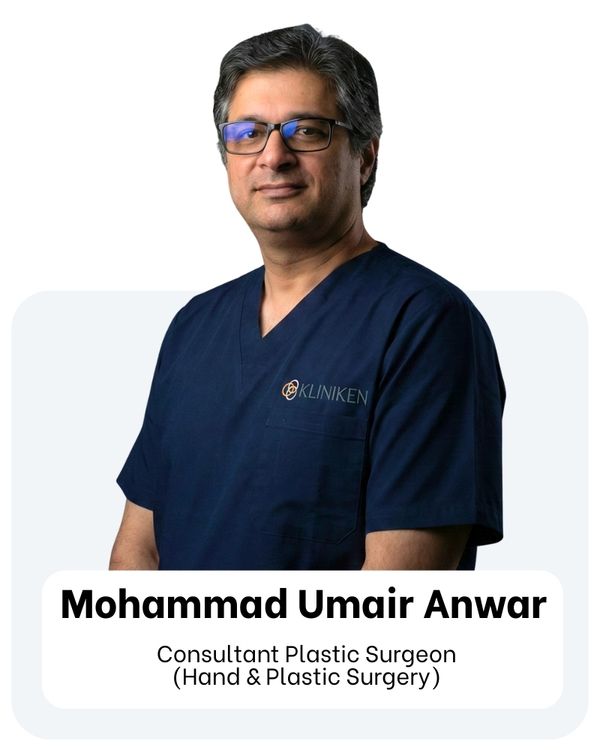
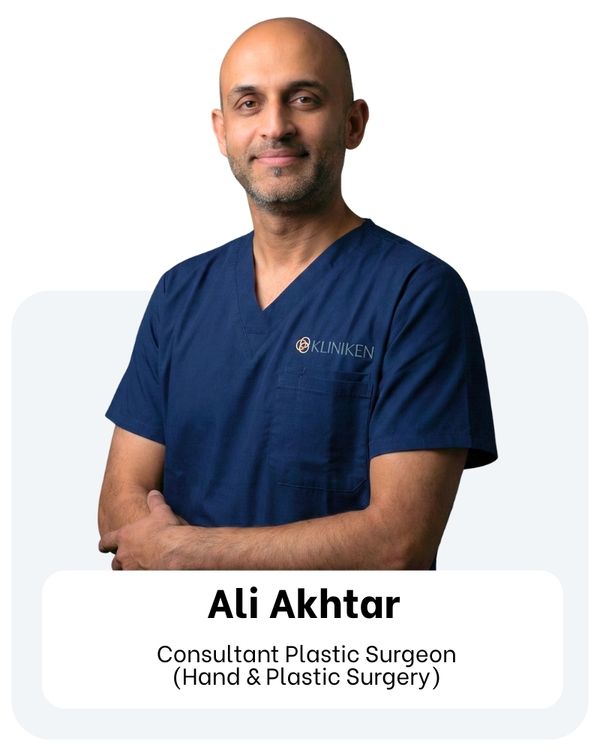
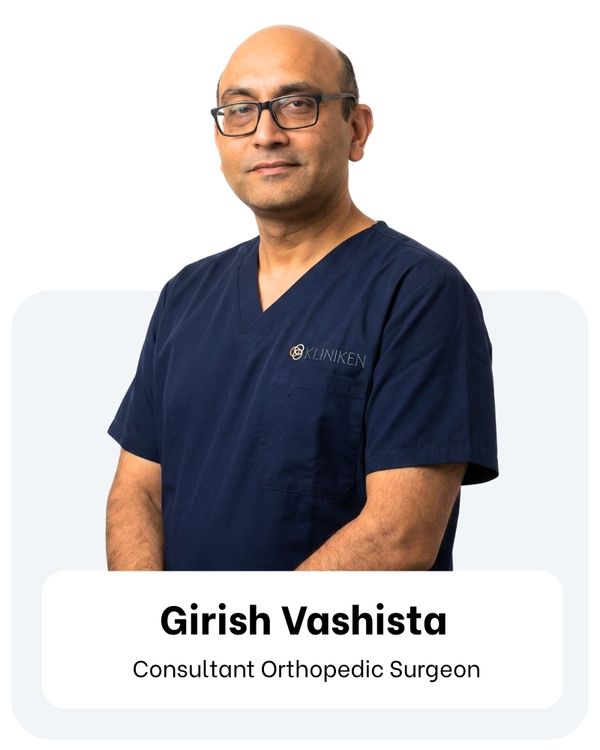
✦ Our surgeons

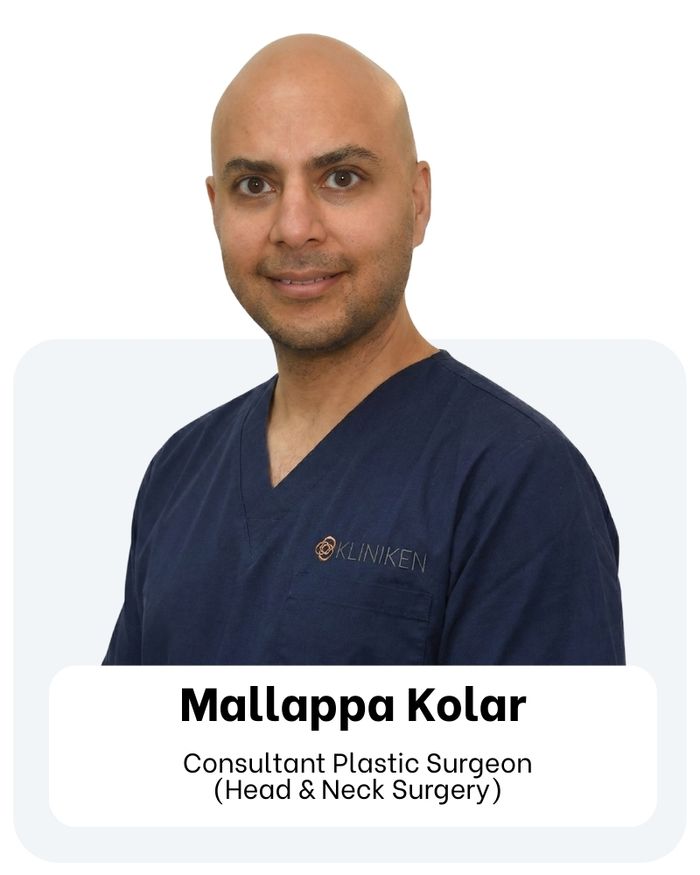
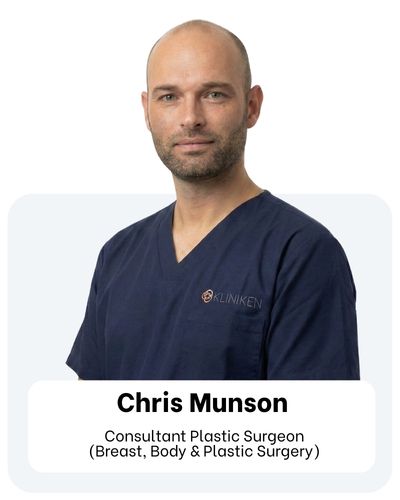
Meet our super team.

Our team, each an expert in their field, is here to support your health and well-being at the highest level.

✦ After Mohs surgery

Recovery & aftercare

Physical activity

Plan for a restful 48 hours after the procedure. Tiredness is normal and usually a side effect of the local anaesthesia and the length of the surgical day. Most patients feel well and more alert once the first two days have passed.

Wound care

A bulky dressing is applied over the surgical site immediately after the procedure. This stays in place for two to seven days depending on the complexity of the repair. Leave the dressing undisturbed unless your clinical team directs you otherwise.

Lifestyle restrictions

Avoid alcohol for at least three to four days after surgery as it increases the risk of wound bleeding. Avoid smoking for the same period as it slows the healing process significantly.

Clinical support

You will receive written post-operative instructions covering care routines for the first few days. Contact details and pathways for after-hours care are provided in case you have concerns about bleeding, pain or other complications during the initial recovery window.

Skip the waitlist. Secure your Mohs surgery consultation today.

☑ CQC Regulated | ☑ 99% Cure Rate | ☑ Same-Day Results
✦ Frequently asked questions

FAQs on Mohs surgery in Harrogate

Procedure and Efficacy

Mohs surgery is considered the gold standard for treating high-risk skin cancers, offering a 99% cure rate for primary basal cell carcinomas and approximately 94.4% for recurrent cases.

The surgery typically takes several hours or even a full day because it is performed in stages. Each stage of tissue removal and laboratory examination takes about 45 to 60 minutes, and the cycle is repeated until the margins are clear.

The procedure should be conducted by consultant dermatologists on the GMC specialist register who have completed a fellowship in Mohs surgery.

Patient Experience on the Day

The surgery is performed under local anaesthesia, meaning you remain awake but the treatment area is completely numbed and the procedure is painless.

No, Mohs surgery is usually a day case procedure, and most patients return home the same day.

Between surgical stages, while tissue is processed in the on-site lab, patients relax in a private lounge or recovery area where they can read, use Wi-Fi, or have refreshments.

Patients are typically advised to eat a normal breakfast and take regular medications but should abstain from alcohol and Aspirin for five days prior to the appointment.

Reconstruction and Recovery

Once the cancer is fully removed, the surgeon determines the best reconstruction method, which may include stitches, skin grafts, or skin flaps to achieve the best cosmetic result.

A bulky dressing usually stays in place for 2 to 7 days, and sutures are generally removed one week later. Patients may feel tired and should plan for 48 hours of rest following the procedure.

The main alternatives are radiotherapy or standard surgical excision, though these typically do not offer as high a cure rate or as much tissue preservation as Mohs surgery.

Mohs micrographic surgery works through a precise, iterative process that integrates surgical removal with immediate microscopic examination of 100% of the surgical margins. Unlike traditional surgery, which samples only a small percentage of edges using "bread-loafing" techniques, Mohs allows the surgeon to visualize the entire peripheral and deep margin of the tissue.

Have a query that is not listed above?

We have tried to answer most queries that you might have for mohs surgery.
In case we missed any, please do WhatsApp us and our experts will get back to you immediately.

Whatsapp your query here

Book a consultation for
Mohs surgery in Harrogate

If you have been diagnosed with a basal cell or squamous cell carcinoma, a consultation at Kliniken Harrogate can confirm whether Mohs surgery is the right approach for you.

Fill the form

Launching Soon - Register your interest

Jump to section